
At the Restorative Justice Project of EJUSA, we understand that the strength of our work lies not in individual efforts but in the collective power of our team and partners. Our approach is deeply rooted in collaboration, where each aspect of our work is interconnected and mutually reinforcing, creating a holistic and transformative impact across… Continue reading Collective Work of The Restorative Justice Project at EJUSA
Tag: Healing
Celebrate and Interrogate
I recently read a briefing from our allies at the Prison Policy Initiative, and it contained a startling figure: 19 million people in America are living with a felony conviction. That’s nearly equal to the entire population of New York. This reminded me of a friend. Her brother was once incarcerated. Since serving his sentence… Continue reading Celebrate and Interrogate
Nurturing Mental Health Amidst the Fight for Justice

In the ongoing battle against systemic injustice grassroots leaders and social justice professionals are often at the forefront, tirelessly advocating for change. However, amidst the fight for equity and well-being, it’s crucial to emphasize mental health this May and every month for recovery and healing. Communities of color continue to be disproportionately affected by the… Continue reading Nurturing Mental Health Amidst the Fight for Justice
Healing in Community
You may have heard the news last December about a new development at Equal Justice USA: the Restorative Justice Project. Our Restorative Justice Project is a groundbreaking endeavor aimed at fostering healing and accountability within communities across the nation. At EJUSA, we firmly believe that restorative justice offers an impactful approach to building communities and… Continue reading Healing in Community
An Investment in Healing
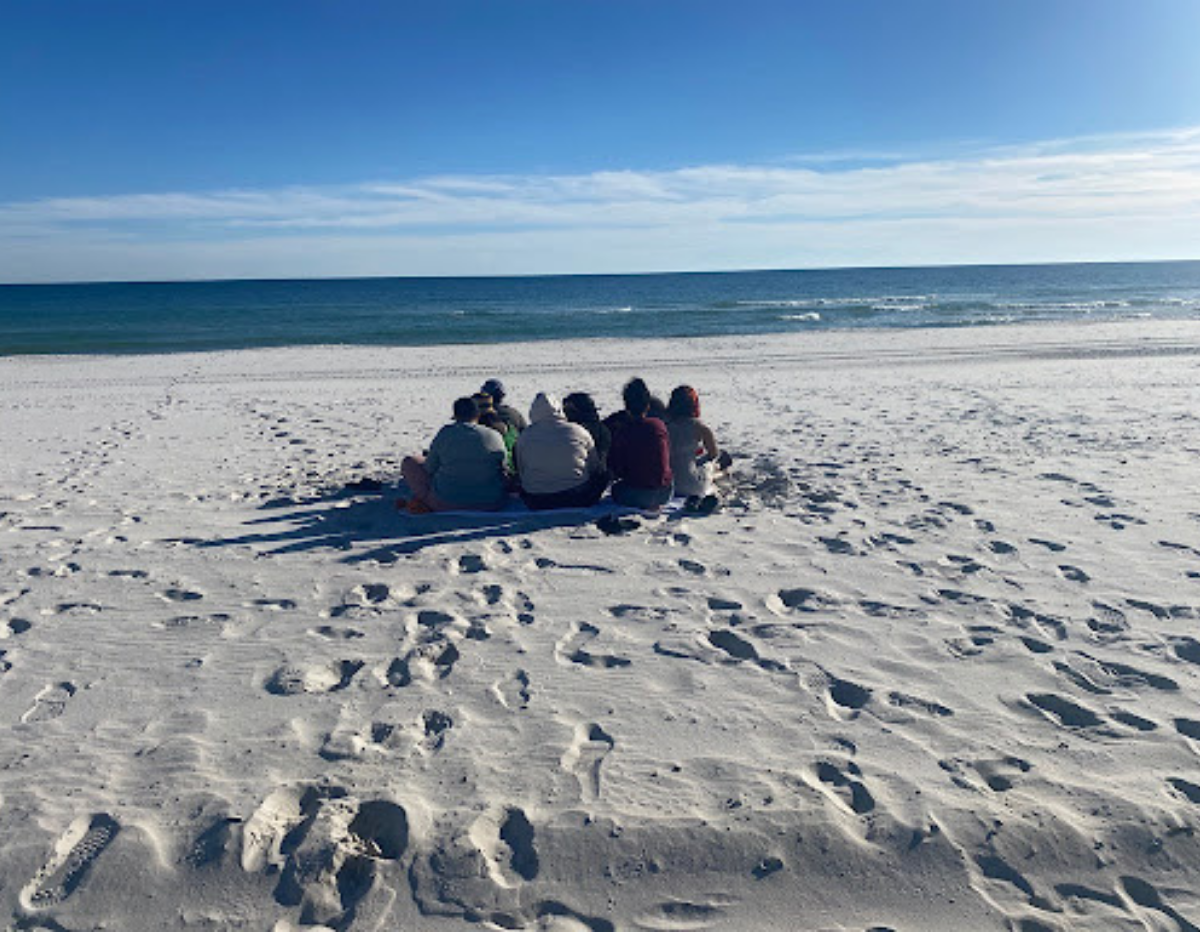
Leaders of Color Lean Into Their Healing In December 2023, EJUSA was honored to host a healing retreat for allies and partners in the fight for justice. Members of the Leaders of Color (LOC) within the death penalty movement, came together for support and fellowship in their healing. Cohabitating space in a beautiful home overlooking… Continue reading An Investment in Healing
Why We Don’t Say “Gang”

For years there has been a constant debate around the word“gang” and what it means. For some, it means a group of close knit people, like when you say “the whole gang’s here.” For others, it’s a loaded term. It means a group of organized criminals. A quick Google image search will show you exactly… Continue reading Why We Don’t Say “Gang”
Healing for Network Members
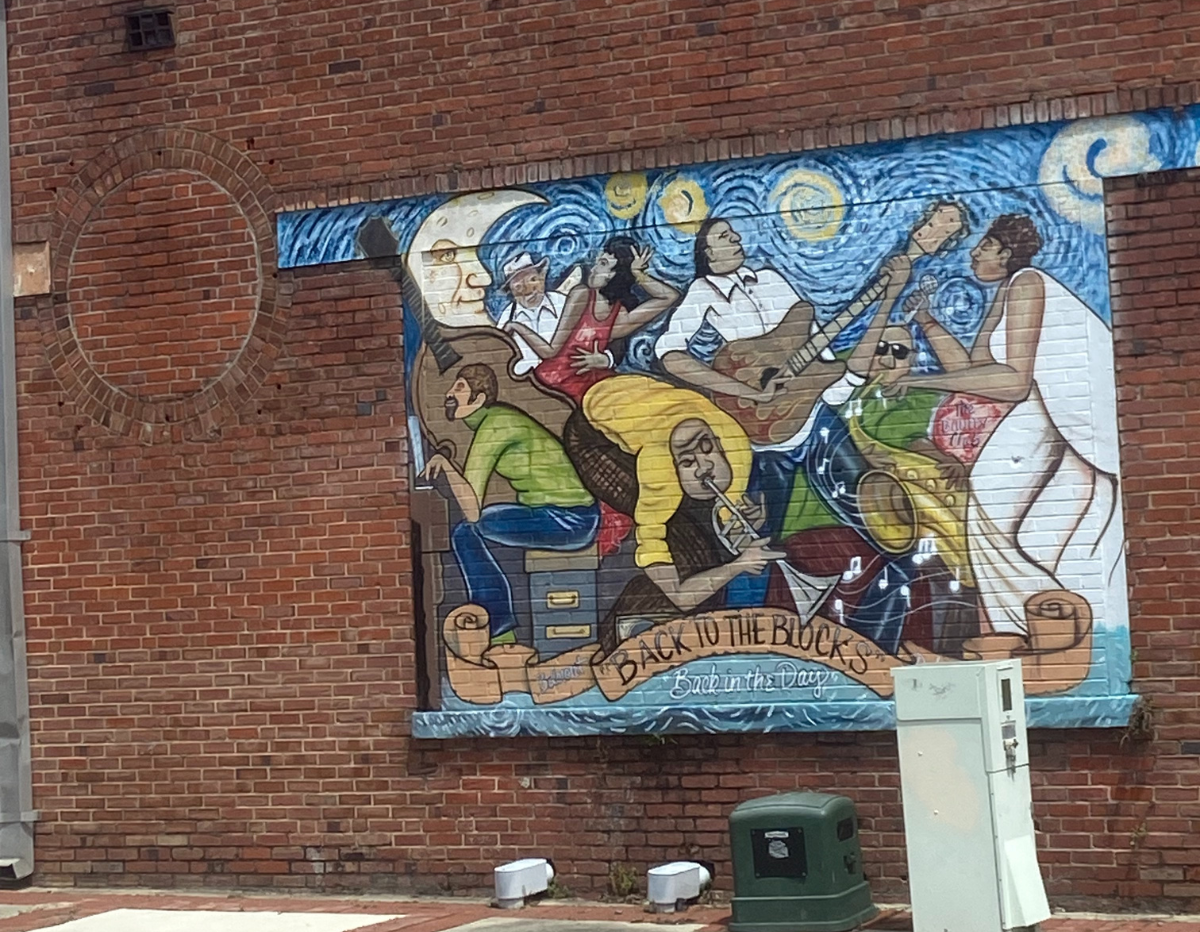
Have you ever thought about your relationship with your breath? To your body? For Black, brown, indigenous, queer, and trans people working on the frontlines of violence intervention, the relationship to the body and breath can be simultaneously sacred, tenuous, and uncertain. BlPOC communities have experienced generations of surveillance from police, forced labor, and bodily… Continue reading Healing for Network Members
The Next Frontier
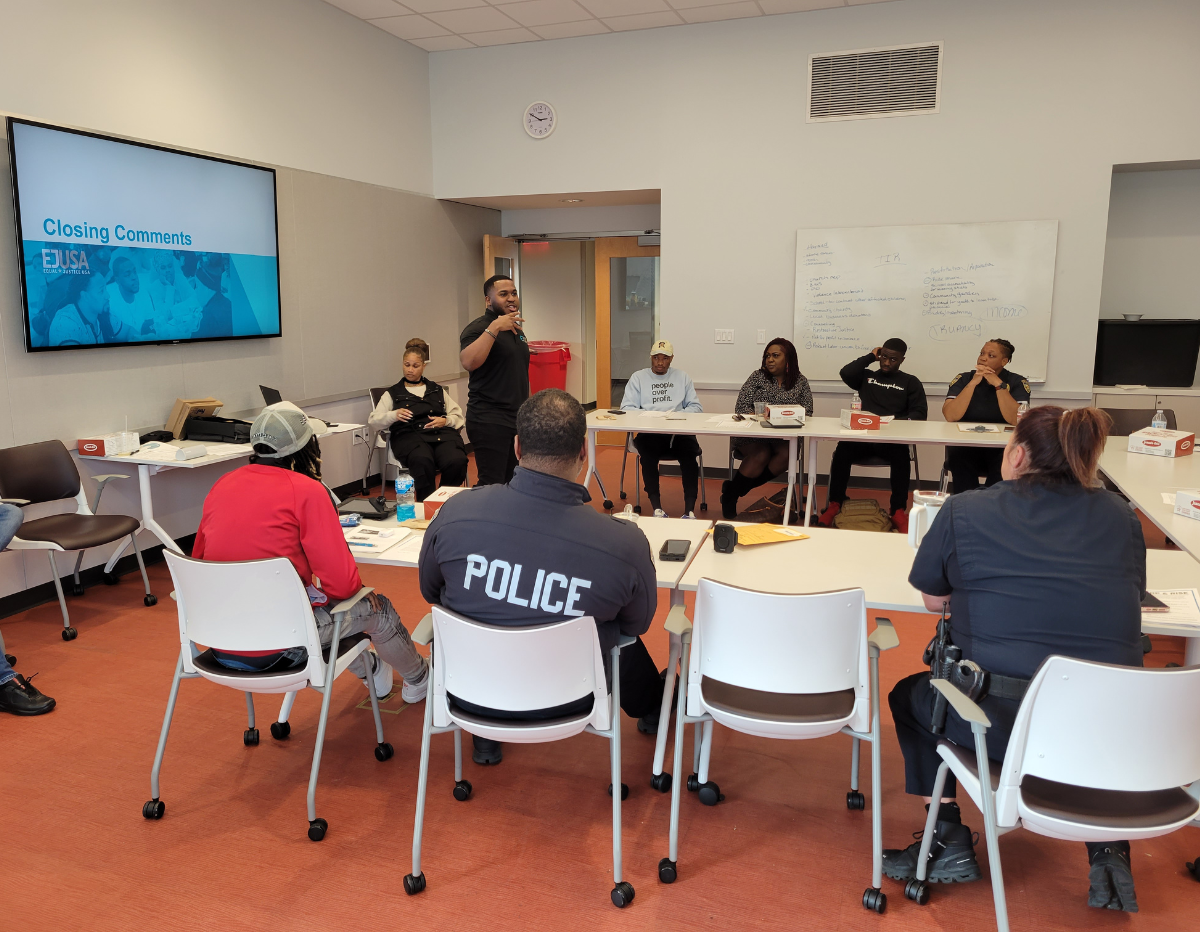
In 2016, we launched a groundbreaking program in Newark, NJ, that brought community members and police officers into the same room to explore trauma — especially as it is connected to encounters with policing. And we wanted to explore the trauma of both groups. Since then hundreds of community members and police officers have gone… Continue reading The Next Frontier
Stop the Cycle of Trauma

Thirty years ago, my father was the victim of a brutal assault that had a lasting impact that no one in my family could appreciate in that moment. We all struggled in different ways. A big part of that struggle stemmed from not seeing ourselves as survivors of violence, and not having access to the… Continue reading Stop the Cycle of Trauma
How We Respond to Tragedy
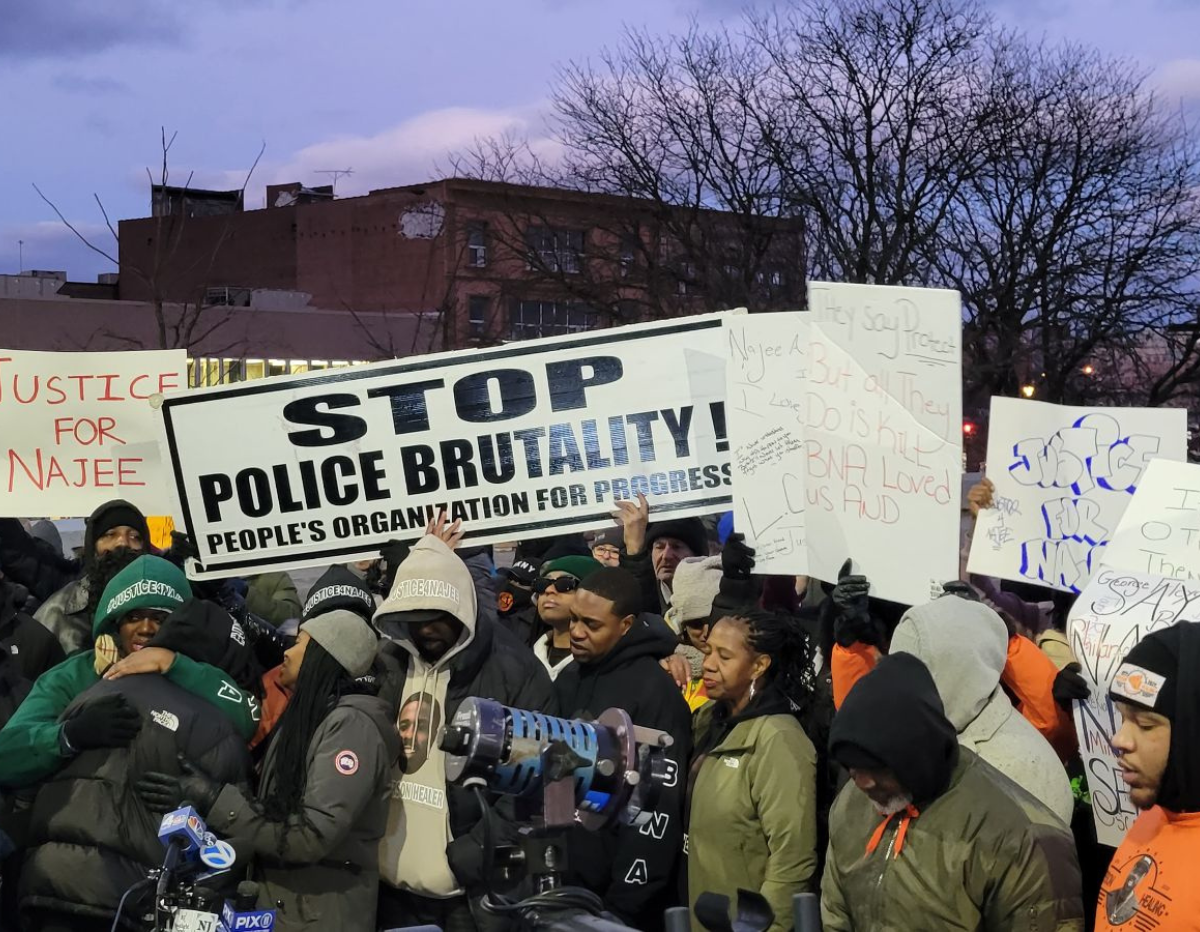
About six weeks ago, Najee Seabrooks sent out a call for help. He texted his co-workers at the Paterson Healing Collective — an EJUSA partner and ally in the movement to build community safety — that he was in crisis and he needed them. Najee was trained as a healer and a violence interventionist, so… Continue reading How We Respond to Tragedy