Path to Safety and Justice
We envision a world where violence is rare and every community is safe and healthy. The path to that world demands that we, as a nation, change the way we think about violence and trauma, about how we meet the needs of survivors, and about how we hold accountable those who cause harm while honoring their dignity.
While EJUSA’s work has ended, we believe these issues are fundamental to that understanding and this enduring movement.
Racial Equity

Equal Justice USA’s work was grounded in the understanding that racial equity was essential to transforming justice. Racism plays a huge role in our nation’s history, from slavery and racial terror to mass incarceration and systemic oppression. Those harms continue to drive violence and punishment for communities of color. Our efforts called attention to the generational trauma caused by the systemic injustice and the predictable cycles of harm it produced. We challenged racist narratives that blamed communities for violence while ignoring the structural forces that created and sustained it. By elevating the voices of people of color and supporting their leadership, we worked to build power and solutions with those most impacted.
Community-Based Public Safety
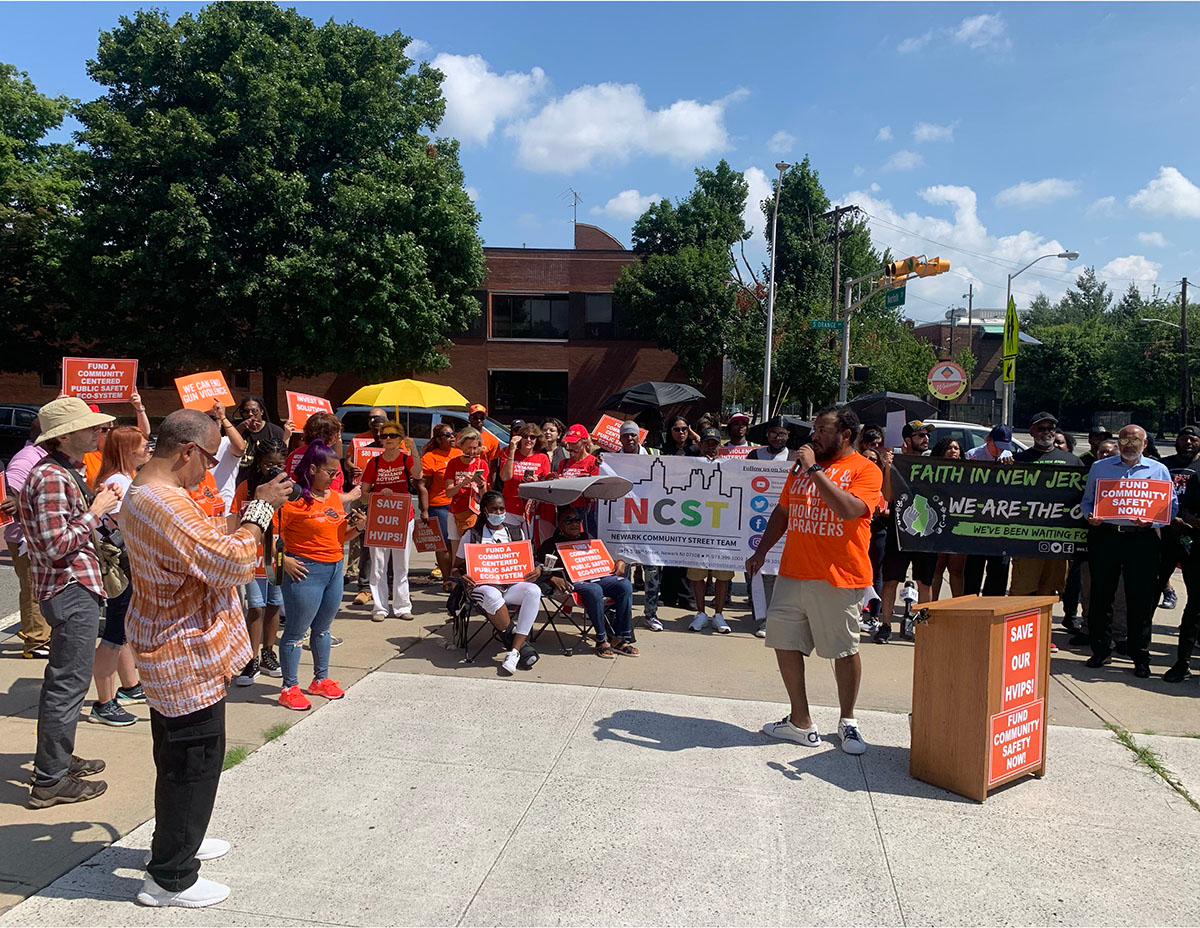
Safety isn’t simply the absence of violence, it’s the presence of well-being. We know what causes violence: poverty, trauma, untreated mental illness, much more. Yet our nation’s primary responses to violence – including over-policing and mass incarceration – do nothing to address the causes and often bring more harm to those most impacted by violence. Community members know what they need to be safe, and they have been building those solutions for some time. EJUSA worked with them to shift millions of dollars and resources toward innovative, community-based solutions that create true safety.
Dismantling Systems of Harm
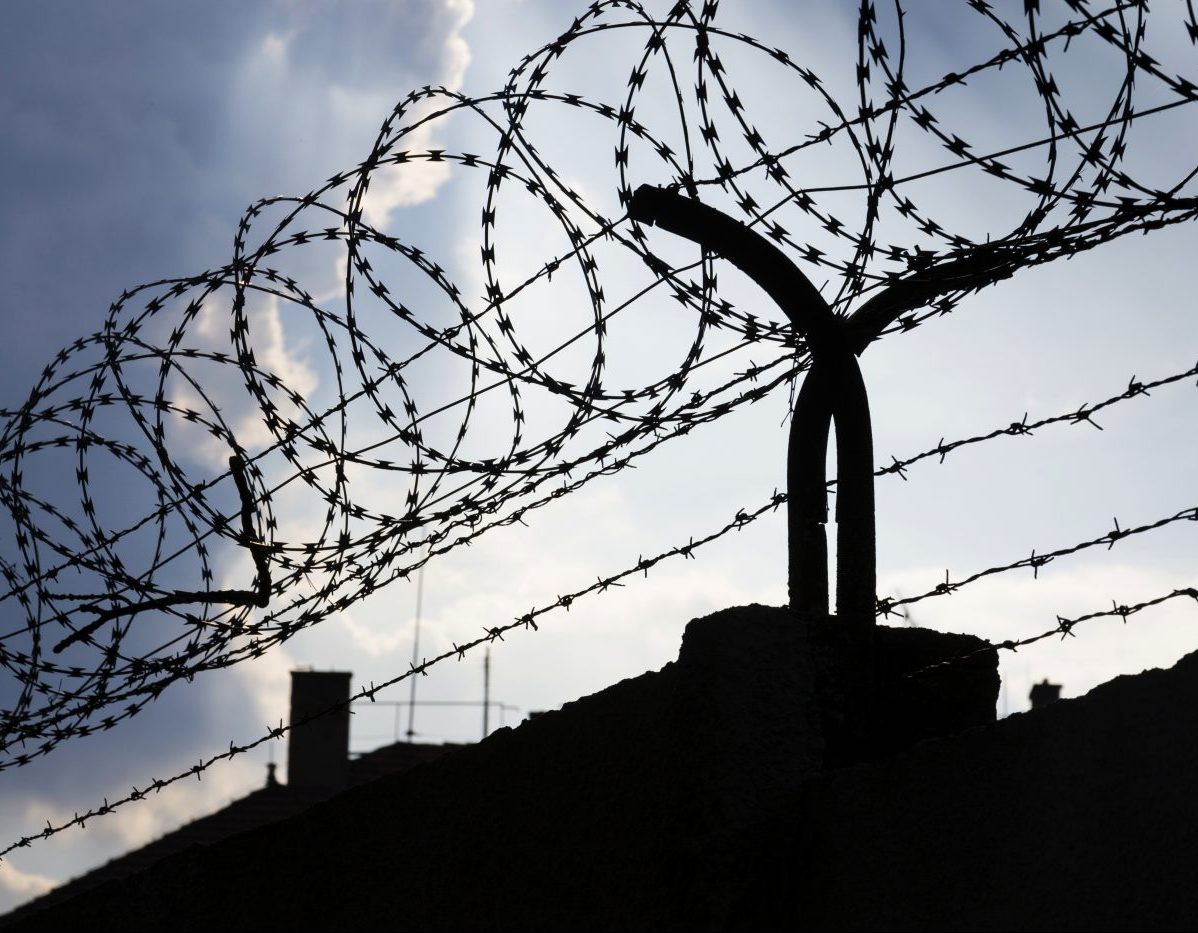
We could not ignore the harm of the criminal justice system just because we were building the system we wanted. The death penalty and police violence are two of the most glaring examples of the system inflicting damage and harm, especially in Black and marginalized communities. Our Death Penalty Program created the blueprint on how to move death penalty legislation through a legislature, playing a leading role in the 11 repeals since 2006 and advising numerous other states on their continued efforts. Trauma to Trust is a groundbreaking program that brings community members and police officers together to explore the trauma of police interactions. More than 1,000 people have participated.
Restorative and Healing Justice
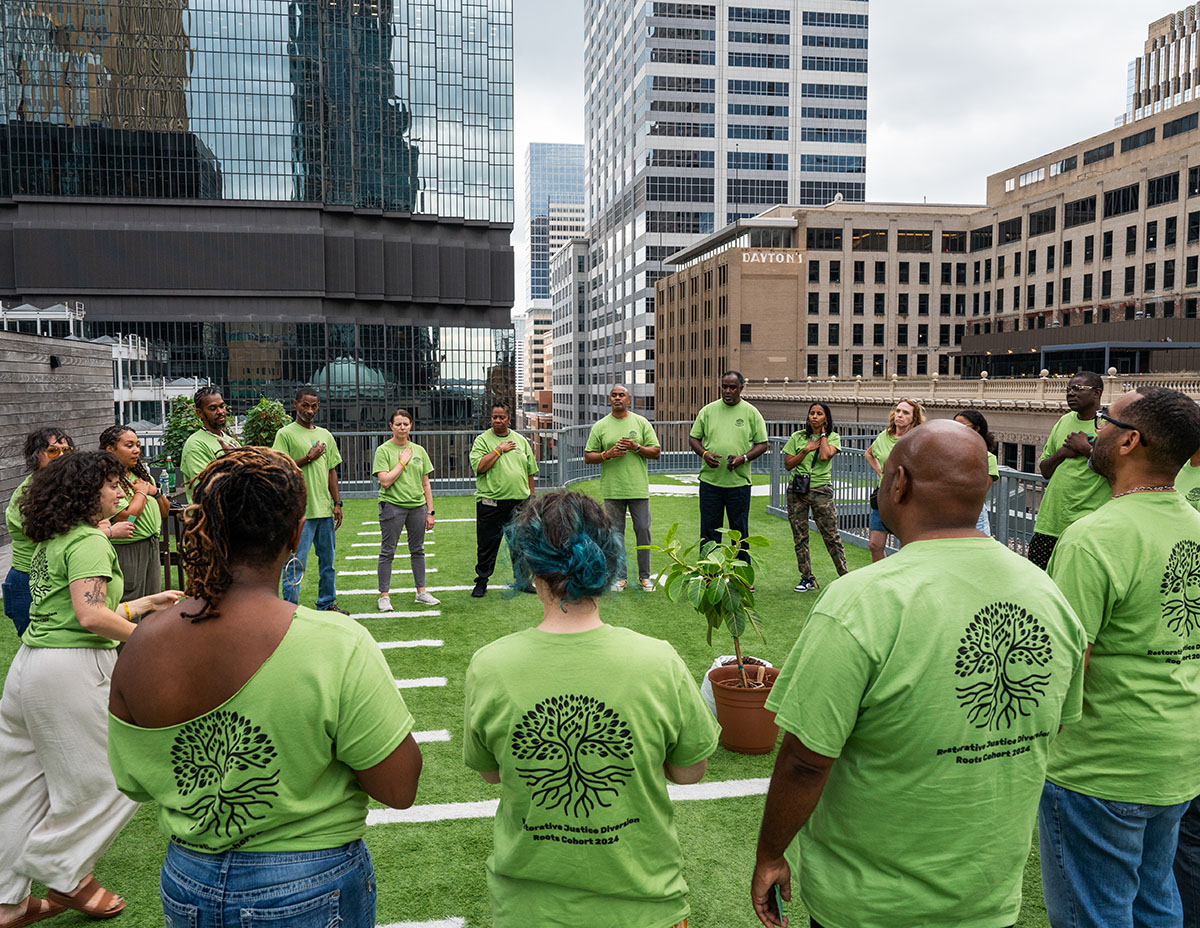
Healing is critical to ending violence. EJUSA advanced a healing approach to justice that centers the needs of those harmed to rebuild their lives – including survivors of color whose pain is often discounted. Restorative justice addresses harms through dialogue among those most impacted, offering accountability that repairs and changes behavior with the goal of avoiding the harm of the criminal legal system. Our Restorative Justice Project provided national training and technical assistance to organizations in 14 communities. Through our Healing Justice network, we partnered with survivors of violence, healers, and grassroots leaders and elevated their voices in policy, advocacy, and narrative change.